
Custom Plastic Fabrication for Industrial and Commercial Applications
RMC Plastics provides custom plastic fabrication for industrial and commercial applications where materials must perform, not just look good.
Plastic shows up everywhere. In manufacturing plants. On job sites. Inside equipment. Behind panels. Under guards. Most people never notice it until something breaks. Then it matters fast.
This article explains how custom plastic fabrication works, where it is used, and why choosing the right plastic and fabricator makes a real difference in performance and cost.
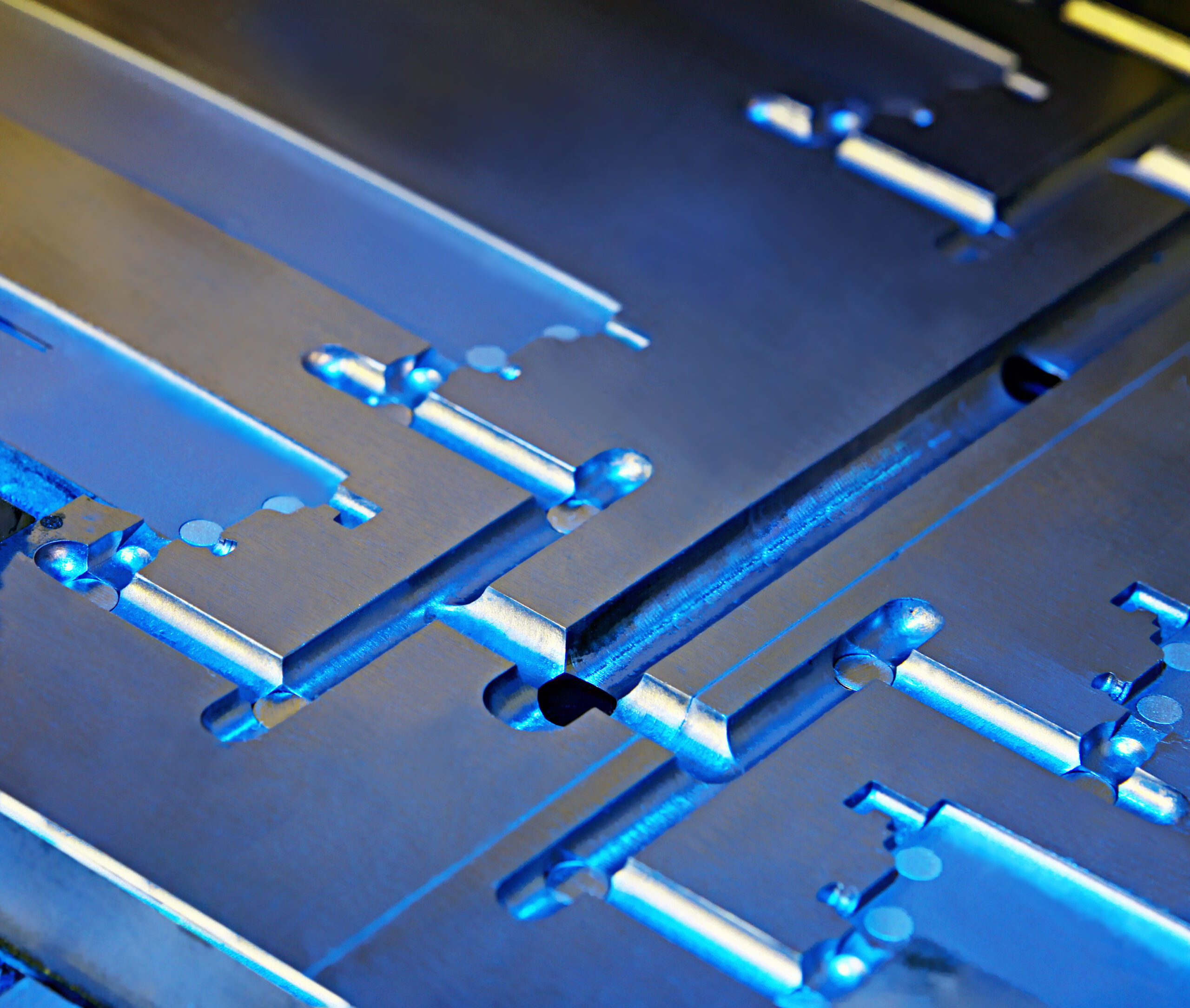
What Custom Plastic Fabrication Really Means
Custom plastic fabrication is not injection molding. It is not off-the-shelf sheet stock either.
It is the process of cutting, machining, forming, welding, and assembling plastic materials into finished parts made for a specific job.
That job could be:
- Machine guards
- Industrial enclosures
- Wear strips
- Panels
- Liners
- Covers
- Structural components
Each part is built to fit a purpose. Size. Load. Heat. Chemicals. Impact. Those factors decide which plastic works and how it must be fabricated.
When fabrication is done right, the part lasts. When it is done wrong, it fails early and causes downtime.
Where Custom Plastic Parts Are Used
Custom plastic parts are used across many industries because plastics solve problems metal cannot.
Common applications include:
- Manufacturing equipment
- Food processing facilities
- Chemical plants
- Warehouses
- Oil and gas operations
- Transportation and logistics
- Construction environments
Plastics resist corrosion. They reduce weight. They cut noise. They handle moisture. They often cost less to maintain than metal.
But only when the correct material is chosen.
Choosing the Right Plastic Material
Not all plastics behave the same.
This is where many projects go wrong. A part is made from the wrong plastic because it looked similar or cost less upfront.
Then it warps. Cracks. Wears out. Or fails under load.
Common materials used in custom plastic fabrication include:
UHMW
HDPE
PVC
Polycarbonate
Acrylic
Nylon
Each material has strengths and limits.
UHMW handles abrasion and impact well. HDPE resists moisture and chemicals. PVC works in corrosive environments. Polycarbonate handles impact. Acrylic provides clarity. Nylon handles wear and load.
The job decides the material. Not the other way around.
Why Machining Quality Matters
Plastic fabrication requires precision.
Plastics react differently to heat and pressure than metal. Poor machining can cause melting, stress fractures, or dimensional issues.
Quality fabrication focuses on:
- Clean cuts
- Proper tolerances
- Smooth edges
- Controlled heat
- Accurate assembly
These details affect how parts fit and how long they last.
A part that is off by a small amount can cause vibration, wear, or alignment problems in equipment. Those problems lead to downtime. Downtime costs money.
Custom Plastic vs Metal Components
Many companies switch to plastic after metal parts fail.
Plastic offers advantages:
- Lighter weight
- Corrosion resistance
- Lower friction
- Reduced noise
- Easier maintenance
Plastic does not replace metal in every situation. But when weight, corrosion, or wear are problems, plastic often performs better.
The key is knowing when plastic is the right choice and designing parts correctly.
Fabrication Methods Used in Plastic Projects
Custom plastic fabrication can involve several methods depending on the part.
Common methods include:
- CNC machining
- Cutting and routing
- Forming and bending
- Plastic welding
- Assembly and finishing
Some parts require tight tolerances. Others need heavy thickness or complex shapes. Fabrication methods are selected based on function, not convenience.
Durability Comes From Design
Plastic parts fail when design is rushed.
Sharp corners create stress points. Thin walls flex too much. Poor mounting leads to cracking.
Good design accounts for:
- Load distribution
- Expansion and contraction
- Impact points
- Mounting method
- Environmental exposure
These factors are handled early in the fabrication process. Fixing them later costs more.
Custom Plastic Fabrication for Replacements and Retrofits
Many plastic fabrication projects start with a problem.
A broken part. A discontinued component. Equipment that no longer has replacement parts available.
Custom plastic fabrication allows companies to:
- Replace worn components
- Improve original designs
- Extend equipment life
- Reduce future failures
In many cases, a custom plastic replacement outperforms the original part.
Why Experience Matters in Plastic Fabrication
Plastic fabrication is not guesswork.
Material selection. Machining technique. Assembly method. All of it matters.
An experienced fabricator understands how plastics behave in real conditions. Heat. Load. Chemicals. Impact.
That experience prevents trial-and-error failures and saves time.
Working With RMC Plastics
RMC Plastics provides custom plastic fabrication for businesses that need reliable, purpose-built parts.
Projects are approached with:
- Proper material selection
- Precision fabrication
- Practical design input
- Focus on performance and longevity
The goal is not just to deliver a part, but to deliver a solution that works in the field.
Learn more about plastic fabrication capabilities at
https://rmcplastics.com/plastic-fabrication/
Explore available plastic materials and applications at
https://rmcplastics.com/materials/
For general background on plastics used in manufacturing, reference
https://en.wikipedia.org/wiki/Plastic