
Mold Design for Injection Molded Parts
Mold design for injection molded parts affects cost, quality, lead time, and long-term production success.
That sounds simple. But in real manufacturing, it is one of the biggest factors that separates a smooth project from a frustrating one.
We see this all the time.
A customer has a part idea. Maybe it is a replacement part. Maybe it is a new component for a larger product. Maybe it is a plastic version of a part that used to be metal. The drawing looks good. The concept makes sense. The need is real.
Then the mold design comes into play.
That is where the project starts to become real.
At RMC Plastics, we know plastic injection molding starts long before resin enters the machine. The mold controls the shape, strength, finish, cycle time, repeatability, and consistency of the finished part. A well-designed mold helps production run cleaner. A poorly planned mold can create problems that follow the part for years.
For companies that need dependable custom plastic parts, tooling should never be treated like an afterthought.
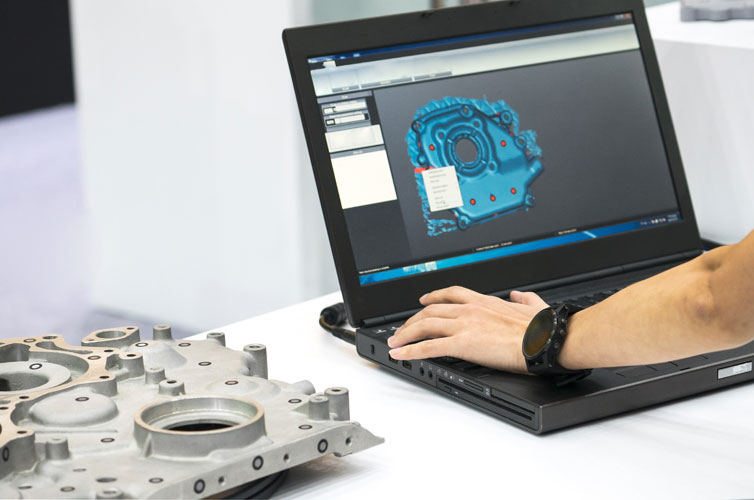
Injection Mold Design Controls More Than the Shape of the Part
Injection mold design controls how molten plastic fills the mold cavity, how the part cools, how it releases, and how consistently it can be produced over time.
That matters because injection molding is a repeat production process. The goal is not to make one good part. The goal is to make the same good part again and again.
A mold has to account for:
- Part geometry
- Wall thickness
- Draft angles
- Gate location
- Cooling channels
- Venting
- Ejection
- Material flow
- Shrinkage
- Surface finish
- Production volume
- Maintenance needs
Each decision affects the final result.
A part can look fine on a screen and still give a molder trouble once it hits the press. Sharp corners, thick walls, thin ribs, weak gate placement, and poor cooling can cause defects, delays, and higher costs.
That is why we like to look at mold design as early as possible. The sooner we can review the part, the easier it is to catch small problems before they become expensive ones.
Better Tooling Can Reduce Part Defects
Part defects usually cost more than people expect.
A bad part costs material. It costs labor. It costs machine time. It can slow down assembly. It can delay shipments. It can also create customer complaints if the issue gets missed during inspection.
Common injection molded part defects include:
- Flash
- Sink marks
- Warping
- Short shots
- Burn marks
- Weak knit lines
- Poor surface finish
- Dimensional inconsistency
- Sticking during ejection
Some of these problems can come from machine settings. Some come from material choice. Many start with mold design.
For example, if the cooling system is not designed well, one area of the part may cool faster than another. That can lead to warping or shrinkage issues. If the gate is placed in the wrong location, plastic may not fill the cavity evenly. If the mold does not vent properly, trapped air can burn the material or leave weak spots.
A better mold helps the process stay stable. Stable production usually means better parts, fewer rejects, and less downtime.
Mold Design Has a Direct Impact on Production Cost
A cheaper mold can look attractive at the start of a project.
We understand why. Tooling is a real investment. Every business wants to control cost. But the cheapest tool is rarely the best choice when the part needs to perform, repeat, and scale.
The mold affects the cost of every production run after it is built.
Here is where the money shows up:
| Mold Design Factor | How It Affects Cost |
| Cycle time | Faster cycles can lower per-part cost |
| Cooling efficiency | Better cooling can improve output and reduce defects |
| Cavitation | More cavities can increase production volume per cycle |
| Maintenance access | Easier maintenance can reduce downtime |
| Material flow | Better flow can reduce scrap and part failures |
| Ejection design | Cleaner release can reduce damaged parts |
A tool that saves a few dollars upfront may create higher part costs for the life of the project.
That is the part many buyers miss.
Tooling cost matters. Long-term part cost matters more.
Wall Thickness Can Make or Break a Plastic Part
Wall thickness is one of the first things we look at during part review.
Plastic does not behave like metal. It flows, cools, shrinks, and hardens based on the shape of the mold and the material being used. Thick sections cool slower. Thin sections may be harder to fill. Uneven walls can create stress, sink marks, and warping.
A good mold design works with the material instead of fighting it.
When wall thickness is planned correctly, the part has a better chance of:
- Filling properly
- Cooling evenly
- Holding its shape
- Maintaining strength
- Reducing cosmetic defects
- Running at a better cycle time
Small design changes can make a big difference.
Sometimes a rib, radius, gusset, or slight geometry change can improve the part without changing how it functions. That is where experience matters. We want the part to work in the field, fit in the assembly, and run cleanly in production.
Gate Location Affects Strength, Appearance, and Fill
The gate is where molten plastic enters the mold cavity.
That little detail has a big job.
Gate location affects how the plastic flows through the mold. It can influence weld lines, surface appearance, packing pressure, shrinkage, and part strength.
If a gate is placed poorly, the part may fill unevenly. It may show cosmetic marks in the wrong place. It may create a weak line in a high-stress area. It may also require more trimming or post-production work.
A good gate plan considers how the part will be used.
A hidden gate may be better for a cosmetic part. A stronger flow path may be better for an industrial part. A part that needs tight dimensions may need a different gate strategy than a simple cover or cap.
The right answer depends on the part.
That is why mold design should be handled by people who understand production, not just drawings.
Cooling Design Can Change the Entire Production Run
Cooling often gets less attention than it deserves.
In injection molding, cooling time can make up a major part of the total cycle. That means cooling design can affect how many parts can be produced in an hour, a shift, or a week.
Good cooling helps the part set up evenly. It helps control shrinkage. It can reduce warping. It can also improve repeatability.
Poor cooling causes headaches.
One side of the part may shrink more than the other. Thick areas may stay soft longer. Cycle times may increase. The press may need more adjustment to keep parts within tolerance.
A well-designed mold cooling system can help keep production steady.
That matters for customers who need dependable supply, especially in industries where parts feed into larger assemblies, field service, construction products, oil and gas, utilities, plumbing, medical, and consumer products.
RMC Plastics has more than 50 years of injection molding experience serving multiple industries, including consumer products, oil and gas, utilities, construction, plumbing, and medical markets.
Ejection Design Helps Protect the Finished Part
Once a part cools, it has to come out of the mold.
That step sounds simple until a part sticks, bends, cracks, drags, or shows visible ejector marks in the wrong place.
Ejection design helps protect the finished part during release.
A good ejection plan considers:
- Part shape
- Draft angles
- Surface texture
- Material behavior
- Part stiffness
- Ejector pin placement
- Cosmetic requirements
- Thin or fragile sections
Draft is especially important. Draft means the slight angle added to the part walls so the part can release from the mold. Without enough draft, the part can stick. That can slow production and damage parts.
We like to think about ejection early because it is much easier to design for clean release before the mold is built.
Material Choice and Mold Design Have to Work Together
Material selection and mold design are connected.
A part made with polypropylene will not behave exactly like a part made with nylon, ABS, polycarbonate, or another resin. Each material has its own flow behavior, shrink rate, heat resistance, flexibility, strength, and processing needs.
The mold has to match the material.
A resin that shrinks more may need different dimensional planning. A material with glass fill may need more attention to wear and flow. A material used in outdoor, industrial, or high-stress conditions may need a stronger design approach.
That is why material conversations should happen before tooling decisions are finalized.
At RMC Plastics, we help customers think through the part, the resin, the production process, and the end use. The goal is practical. We want the part to perform the way it needs to perform.
Mold Design Can Help With Short Run and Full Production Projects
Mold design matters for short runs and larger production runs.
For short run injection molding, the goal may be controlled production, product testing, replacement parts, limited release, or early market demand. The mold still needs to produce clean, usable parts.
For higher-volume production, the mold has to hold up over time. It needs to run efficiently. It needs to support repeat orders. It needs to control cost across the full life of the project.
Those are different goals, but both require smart tooling decisions.
RMC Plastics provides short run injection molding in Houston, which can help businesses produce parts in a controlled way before scaling up.
What Happens When Tooling Is Rushed
Rushed tooling can create expensive lessons.
We have seen projects where the part design looked ready, but the mold plan needed more review. Maybe the wall thickness needed adjustment. Maybe the material choice needed another look. Maybe the part needed more draft. Maybe the gate needed a better location.
When those issues are skipped, the problems can show up later.
That may mean:
- More scrap
- Slower cycle times
- Higher labor cost
- Poor part fit
- Assembly problems
- Cosmetic defects
- Mold rework
- Missed delivery dates
- Customer dissatisfaction
Mold rework can get expensive fast.
Even worse, production teams may spend months trying to work around a tooling issue with process changes. Sometimes that works. Sometimes it only covers up the problem.
The better plan is to review the design before the tool is built.
A Good Mold Design Starts With Good Questions
Before a mold is built, we want to understand how the part will be used.
That includes questions like:
- What does the part do?
- Where will it be used?
- Does it need to carry weight?
- Will it be exposed to heat, chemicals, water, or impact?
- Does it need a cosmetic finish?
- Does it need to fit another part?
- What tolerances matter most?
- What is the expected production volume?
- Will this part be assembled, packaged, or shipped a certain way?
- Is this a new product or a replacement part?
These questions help guide tooling decisions.
A part used inside a consumer product may have different needs than a part used in the field. A utility part may need rugged performance. A plumbing component may need material compatibility. A medical part may need tighter control. A construction part may need strength, repeatability, and cost control.
The mold should be designed around the real job the part has to do.
Injection Mold Design and Part Quality Go Hand in Hand
Injection molding is widely used because it can produce detailed plastic parts at scale. The process uses a mold, injection unit, and clamp system to form parts, and part design must account for material, shape, mold construction, and machine requirements. Molding
That is why mold design is so important.
The mold is not just a piece of equipment. It is the center of the production process.
A strong mold design can help deliver:
| Business Goal | How Mold Design Helps |
| Better quality | Supports consistent dimensions and fewer defects |
| Lower part cost | Improves cycle time and reduces scrap |
| Faster production | Helps the mold fill, cool, and eject cleanly |
| Longer tool life | Reduces unnecessary wear and maintenance issues |
| Better fit | Holds tighter control over key part features |
| Cleaner appearance | Supports better gate, vent, and surface planning |
| More reliable supply | Helps production stay repeatable over time |
For buyers, this matters because part quality affects everything downstream.
A molded part may be one piece of a larger product, but that one piece can affect assembly, warranty claims, customer satisfaction, and delivery schedules.
When to Bring RMC Plastics Into the Mold Design Conversation
The best time to talk with us is before the mold is finalized.
Earlier is better.
If you have a drawing, sample part, CAD file, prototype, existing mold, or part idea, we can help review the project through a production lens. We can look at how the part may mold, what issues may appear, and what changes may help improve cost, quality, or manufacturability.
We can also help customers who already have a mold and need production support.
Some projects come to us after another supplier has struggled with part quality, lead time, or repeatability. In those cases, we can review the existing situation and help identify practical next steps.
Our injection mold design service page covers more about how we approach tooling and part production: https://rmcplastics.com/injection-mold-design/
Better Mold Design Leads to Better Production Decisions
A well-designed mold gives the whole project a better foundation.
It helps the press run smoother. It helps parts come out cleaner. It helps reduce waste. It gives the customer a better chance at consistent quality and predictable production.
That is what most manufacturers want.
They do not want surprises. They want parts that fit. Parts that hold up. Parts that arrive when needed. Parts that help their own products move forward.
At RMC Plastics, we build our work around that kind of practical manufacturing thinking. We look at the part, the material, the tool, the production run, and the customer’s end goal.
That is how better tooling saves time, money, and production headaches.
FAQs About Mold Design for Injection Molded Parts
What is injection mold design?
Injection mold design is the planning and engineering of the mold used to make plastic injection molded parts. It includes the mold cavity, gates, runners, cooling system, vents, ejector system, and other features that control how the part is made.
Why does mold design affect part cost?
Mold design affects cycle time, scrap rate, maintenance, part quality, and production speed. A better mold can help lower the cost per part over time.
Can a bad mold design cause defective plastic parts?
Yes. Poor mold design can contribute to flash, warping, sink marks, weak areas, poor finish, short shots, and dimensional problems.
Should mold design be reviewed before production starts?
Yes. Reviewing mold design before production can help catch problems early. It is usually easier and less expensive to adjust the design before the tool is built.
Does RMC Plastics help with injection mold design?
Yes. RMC Plastics helps customers with injection mold design, custom plastic injection molding, short run production, and larger production runs.
What should I send RMC Plastics for a mold design review?
Useful items include CAD files, drawings, sample parts, part photos, material requirements, production volume estimates, and details about how the part will be used.
Mold design for injection molded parts affects cost, quality, lead time, and long-term production success, and RMC Plastics helps customers make better tooling decisions before production begins.